
How to Stop Unauthorised Parking

Unauthorised parking is one of the most common problems on private land. and car parks.
Whether it is drivers using customer spaces, parking without paying, or misusing permit bays, the result is always the same.
- You lose revenue for your business
- Users following the rules are frustrated
- Added stress to manage the site
- Lose customers due to a bad parking experience
The good news is that unauthorised parking can be reduced and, in many cases, stopped entirely with the right approach.
It is rarely about one single fix.
It is about putting the right pieces together.
What Is Unauthorised Parking?
Unauthorised parking is when a vehicle uses a parking space without permission or without following the site rules. This can include:
- Parking without paying
- Parking without a valid permit
- Using private land meant for customers, residents, or staff
- Misusing time limits or overstaying
- Parking in disabled bays without authorisation
- Blocking emergency access routes or loading areas
These situations can cause safety issues, reduce availability for legitimate users, and create ongoing frustration for those managing the site.
Why Unauthorised Parking Happens
In most cases, unauthorised parking is not deliberate. It usually happens because the system on site makes it easy to park incorrectly or difficult to do the right thing.
Common causes include:
- Unclear or poorly placed signage
- Confusing or hard-to-follow payment instructions
- Limited or inconvenient payment options
- Inconsistent or irregular enforcement
- Busy locations near shops, offices, or transport hubs
- Drivers unfamiliar with the site or its rules
When rules are not obvious or consistently enforced, misuse becomes more likely over time.
The Real Cost of Unauthorised Parking
The impact of unauthorised parking goes beyond lost income.
When spaces are taken by the wrong vehicles, genuine users struggle to park. This often leads to complaints and a poor experience for customers, visitors, or staff.
Over time, this can damage relationships with tenants and regular users.
If a site starts to feel unmanaged, misuse usually increases. Once drivers believe the rules are not enforced, unauthorised parking becomes more common and harder to control.
What Are the Methods to Stop Unauthorised Parking?
There are lots of ways to stop unauthorised parking, but not all of them are practical, legal, or effective long term. Below we run through the main options, from simple deterrents like signage through to proper payment and professional enforcement, so you can choose the right approach for your site.
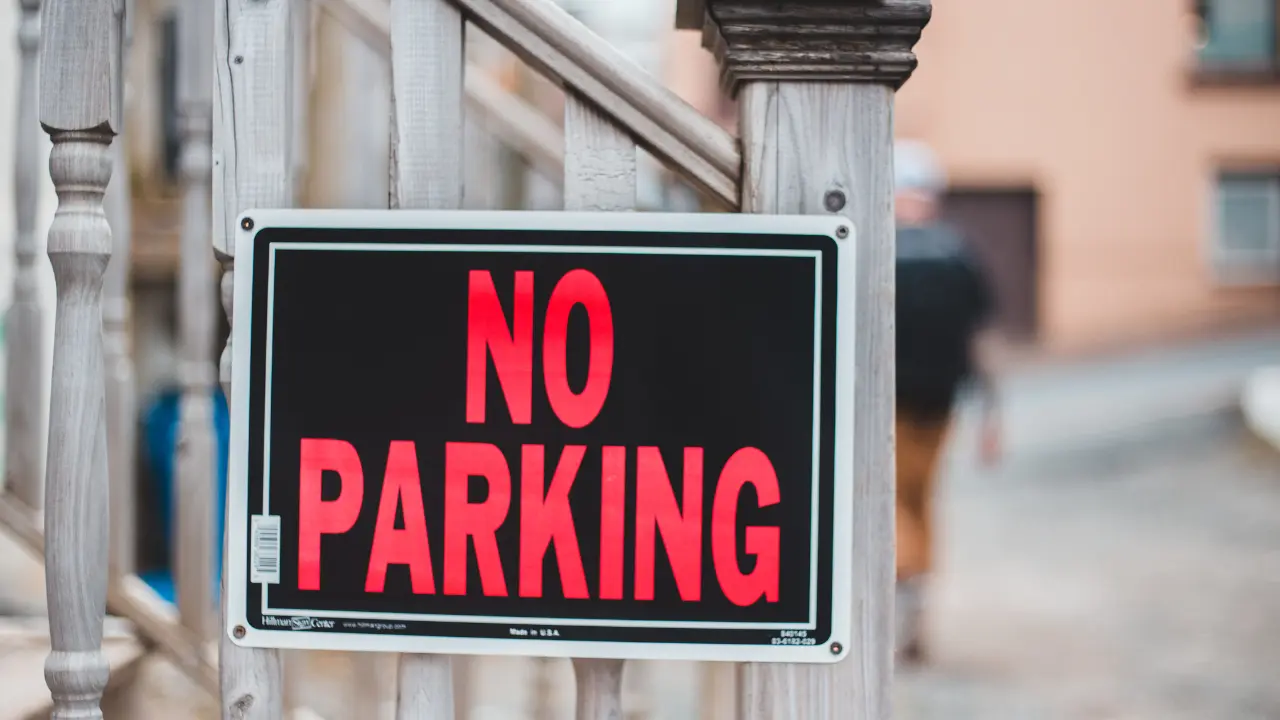
1. Install No Parking Signs
Clear signs set expectations and give you a foundation for enforcement. If drivers do not understand the rules, misuse is harder to prevent and almost impossible to challenge fairly.
Pros
- Makes parking rules clear to drivers
- Reduces “I didn’t know” disputes
- Provides a legal basis for enforcement
- Relatively low cost to implement
- Can be updated or improved easily
Cons
- Signs alone do not physically stop parking
- Poor placement or unclear wording reduces effectiveness
- Drivers may ignore signs if there is no enforcement
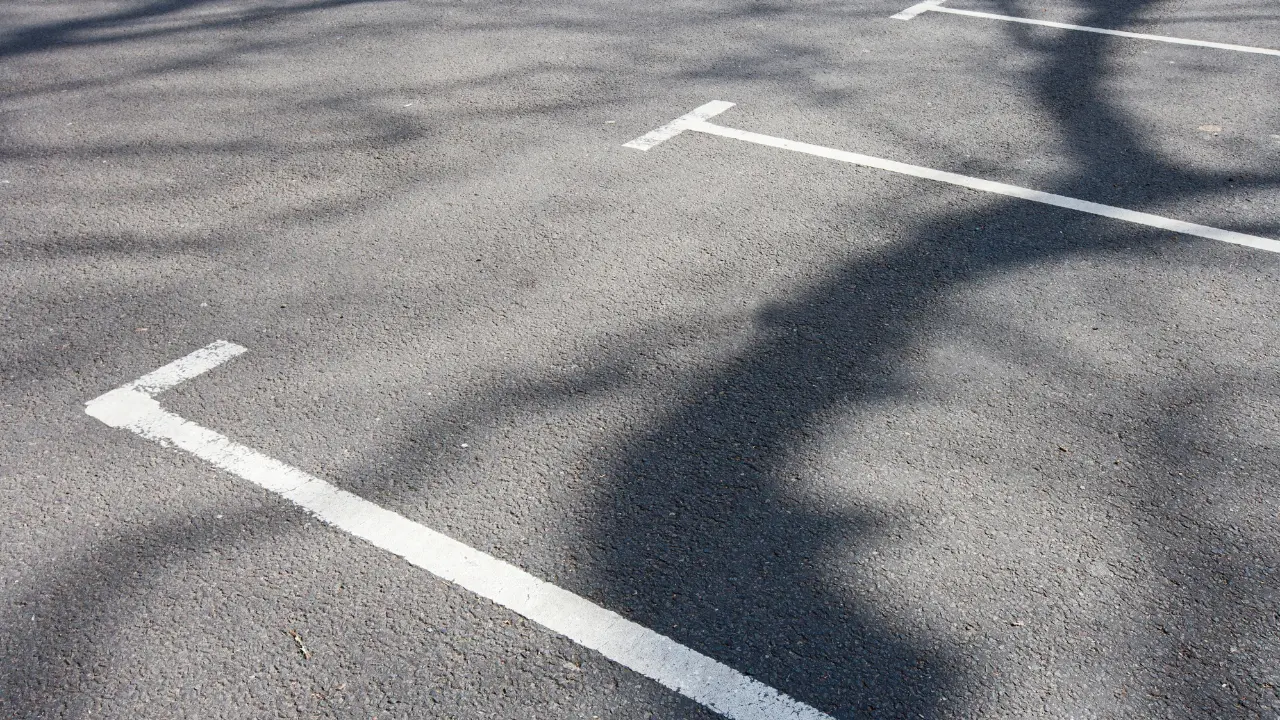
2. Mark Bays
Good bay markings reduce excuses and confusion. Clearly marked disabled bays, permit bays, loading areas, and emergency access help people park correctly and make misuse easier to identify.
Pros
- Makes it clear where drivers can and cannot park
- Reduces accidental misuse of restricted bays
- Helps support fair and consistent enforcement
- Improves safety in emergency and access areas
- Low ongoing maintenance once completed
Cons
- Does not physically prevent misuse on its own
- Markings can fade over time and need refreshing
- Requires correct layout and compliance to be effective
- Less effective without clear signage and enforcement
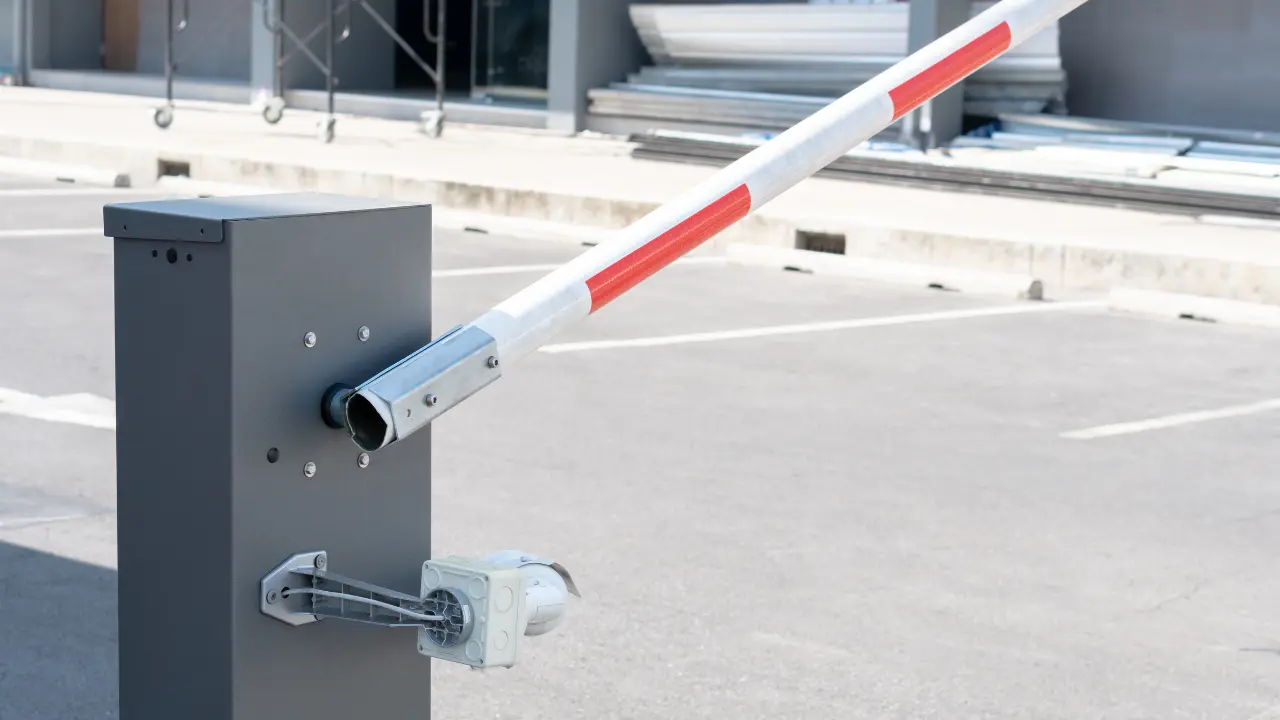
3. Bollards or Barrier Systems
Physical access control can work well where strict entry control is needed. Bollards and barriers stop vehicles from parking altogether, but they can introduce cost and operational overhead.
Pros
- Physically prevents unauthorised parking
- Very effective in high risk or sensitive areas
- Clear visual deterrent to drivers
- Useful where access must be tightly controlled
Cons
- Can be expensive to install
- Ongoing maintenance and repair costs
- Can slow access for authorised users
- Risk of damage or misuse
- Not suitable for all sites or layouts
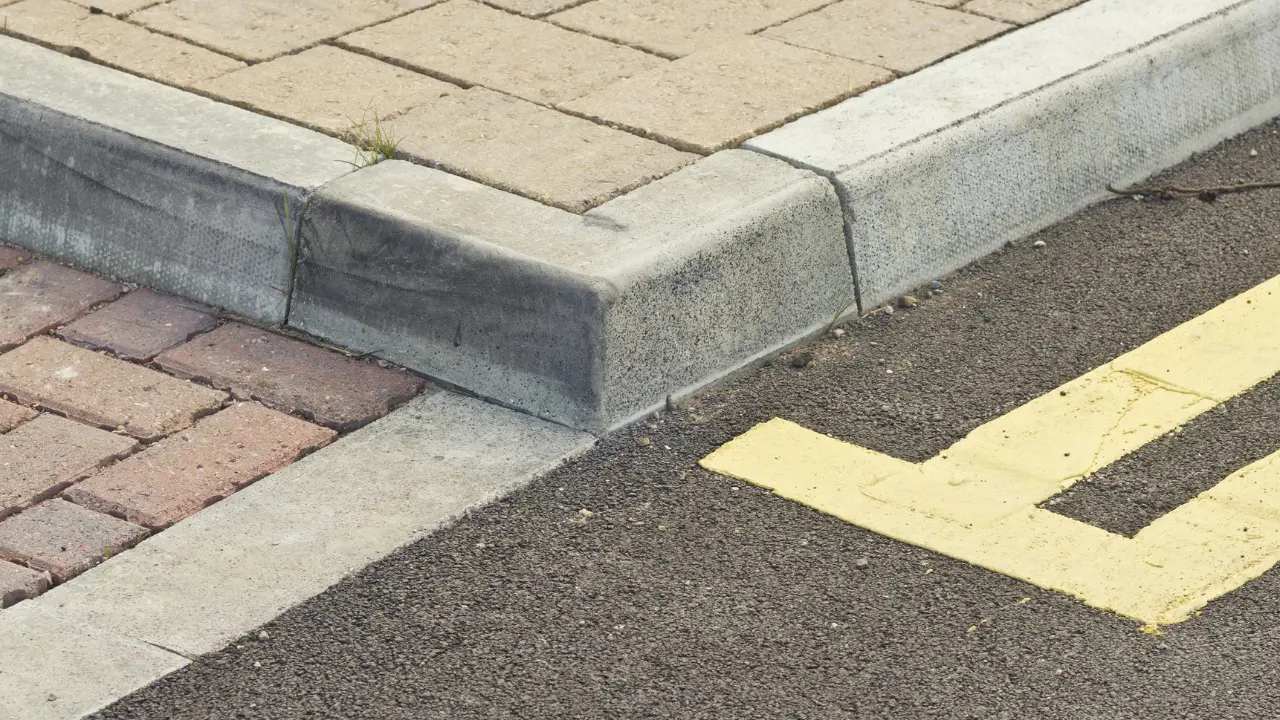
4. Raising Kerbs
Rising kerbs and road blockers are a strong deterrent for high-risk sites. They are usually best suited to locations that need tight access control and have the space and budget to support them.
Pros
- Strong physical deterrent
- Very effective at preventing unauthorised access
- Useful for sites with strict security requirements
- Can be automated for controlled entry and exit
Cons
- High installation and maintenance costs
- Requires significant groundwork and space
- Can cause access issues if not managed correctly

5. Cones
Cones can work as a short-term deterrent, especially during events or busy periods. They are a visible signal, but they are easy to move and often ignored.
Pros
- Quick and low cost to deploy
- Useful for temporary restrictions
- Easy to move or remove as needed
- No installation required
Cons
- Easy for drivers to move or ignore
- Often seen as unofficial or informal
- Can lead to arguments or confusion
- Not suitable for long-term control
- No enforcement backing on their own

6. Contacting the Police
The police usually only get involved if there is obstruction, danger, harassment, or criminal behaviour. For typical unauthorised parking on private land, they are unlikely to act.
7. Contacting the Council
Councils generally deal with issues on public highways, not private car parks. If the problem is on private land, the council will usually direct you to handle it privately.
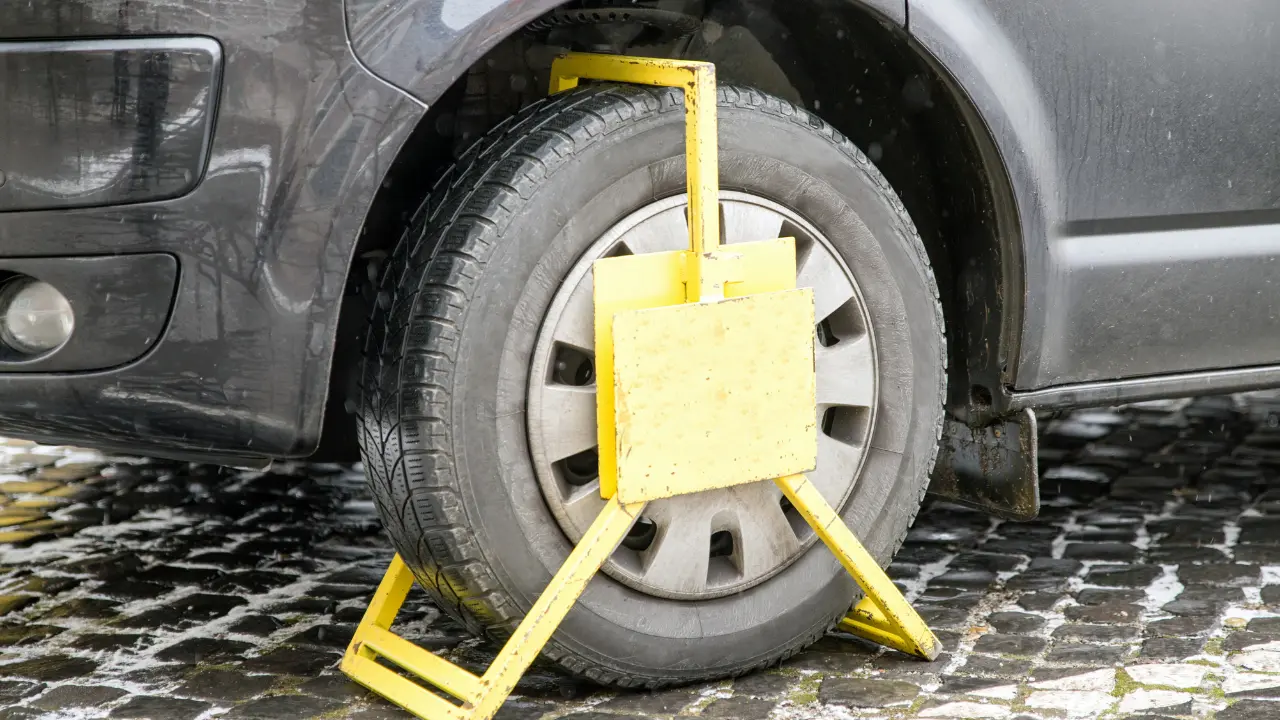
8. Wheel Clamping
Wheel clamping is illegal on most private land in the UK. It is not a recommended option and can create legal risk and conflict.
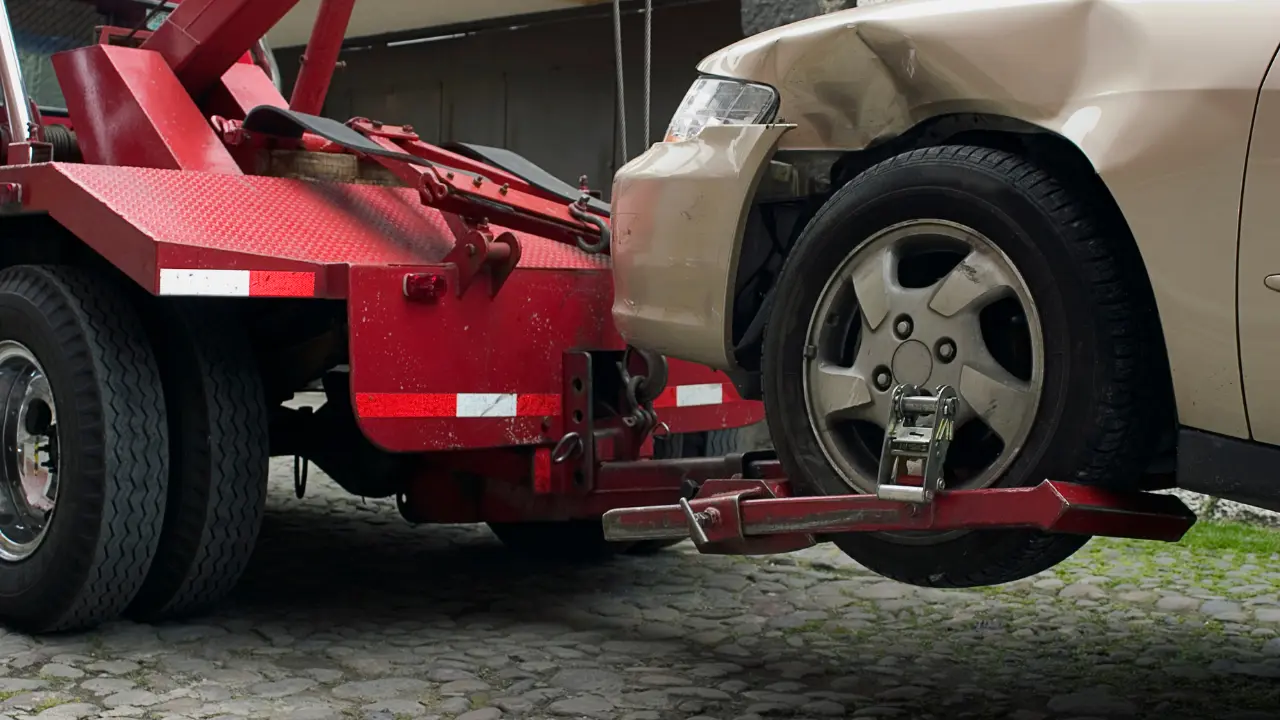
9. Towing
Towing is heavily restricted and difficult to do legally on private land. It can also escalate disputes quickly and is rarely the best approach for everyday car parks.
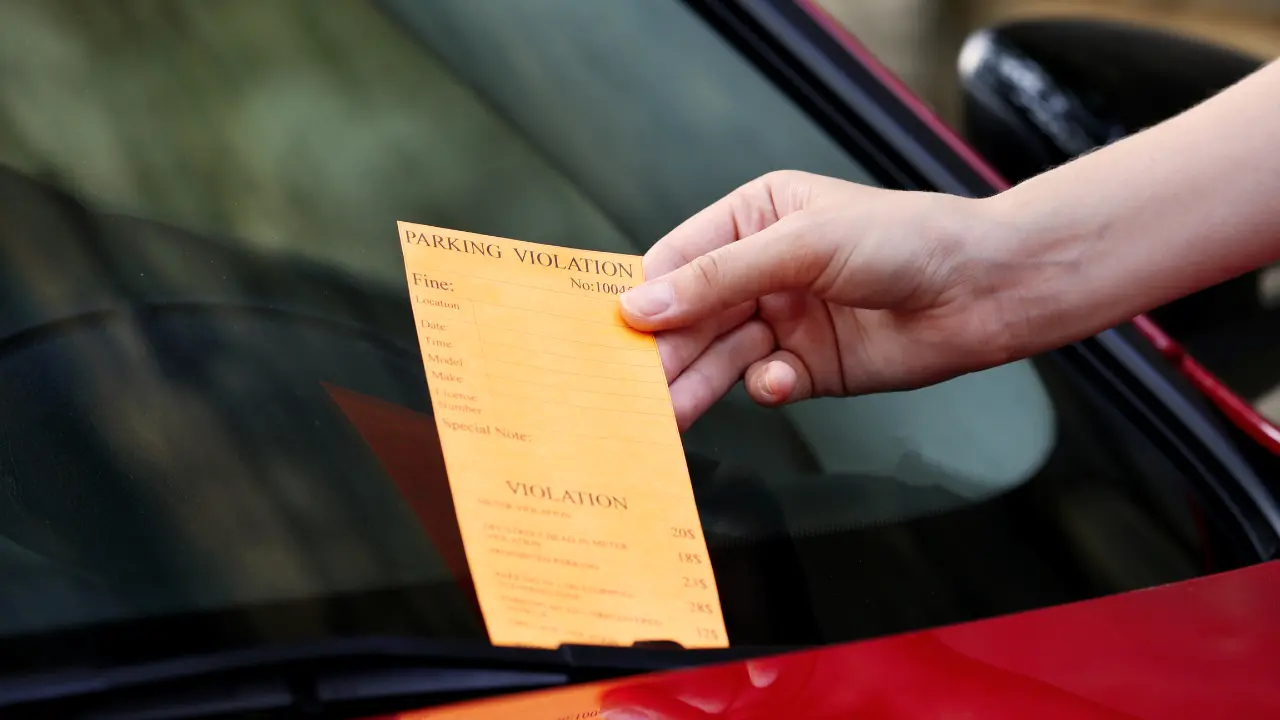
10. DIY Ticketing and Notes
Leaving notes or issuing tickets yourself often leads to disputes and is difficult to enforce properly. Without the right process, signage, and evidence, it can quickly become time-consuming and unreliable.
Pros
- No upfront cost
- Can feel like quick action at first
- Gives the appearance of control
Cons
- High risk of disputes and complaints
- Little to no legal standing without compliance
- Time-consuming to manage and follow up
- Can create conflict with drivers
- Difficult to enforce payment or penalties
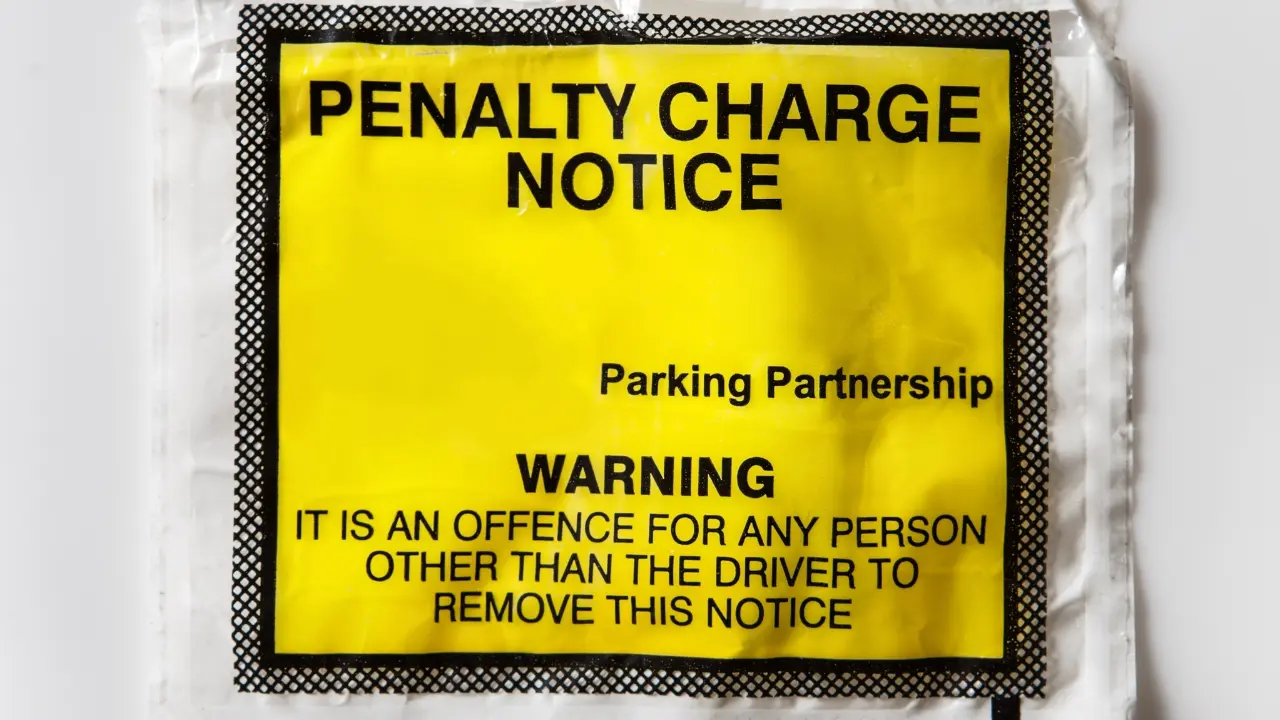
11. Setting Up Parking Enforcement Yourself
You can set up your own enforcement operation, but it is complex and involves training, processes, evidence handling, appeals, compliance, and ongoing administration. For most operators, it becomes a significant workload.
Pros
- Full control over enforcement decisions
- No reliance on third-party providers
- Can be tailored to your site rules
Cons
- High setup complexity
- Requires staff training and ongoing management
- Time-consuming administration and appeals handling
- Risk of non-compliance if processes are not correct
- Often more costly in time and effort than expected
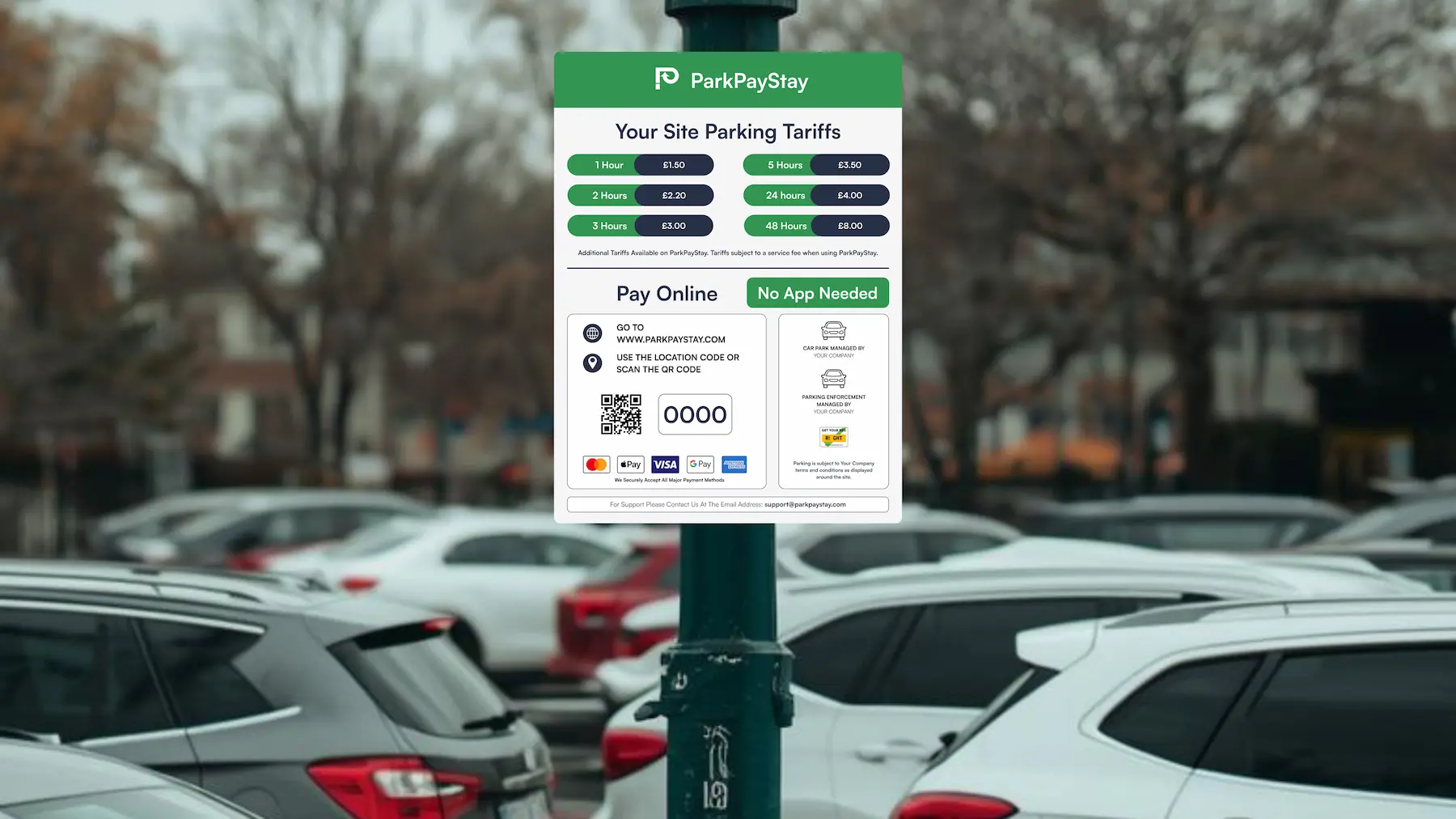
12. Set Up a Parking Payment System (Recommended)
If your site is pay to park, having a proper payment system in place is one of the most effective ways to reduce unauthorised parking. When drivers have a clear, simple way to pay, excuses disappear and compliance increases.
A modern, cashless setup with clear signage allows drivers to pay quickly and confidently, removing friction and confusion. This is often the fastest and least confrontational way to improve parking behaviour.
Pros
- Makes it easy for drivers to do the right thing
- Reduces non-payment and “I didn’t know” disputes
- Increases overall compliance and revenue
- Supports enforcement with clear payment records
- No need for cash handling or machine maintenance
- Scales easily from small sites to large operations
Cons
- Requires clear signage to be effective
- Needs to be simple and accessible for all drivers
- Poor systems can create frustration if badly designed
Why This Is Recommended
A well designed payment system tackles the root cause of many parking issues. When paying is quick, app free, and works on any phone, most drivers will comply without enforcement being needed.
How ParkPayStay Helps
ParkPayStay’s cashless parking system gives drivers a fast, app free way to pay using their phone. Clear QR code signage, multiple payment options, and instant confirmation make it easier for drivers to comply and harder to ignore the rules.
For operators, ParkPayStay provides full visibility through a live dashboard, clear fee breakdowns, and reliable payment records that support fair and effective enforcement.

13. Use a Parking Enforcement Company (Recommended)
When signage and payment systems are in place but misuse continues, a professional parking enforcement company is often the most effective next step. Proper enforcement ensures rules are applied fairly, consistently, and in line with regulations.
A specialist enforcement provider brings the experience, training, and systems needed to manage parking correctly. This removes pressure from landowners and operators and avoids the risks that come with doing it yourself.
Pros
- Rules are enforced consistently and fairly
- Trained staff with proper processes and evidence handling
- Fully compliant signage, notices, and procedures
- Reduces disputes and complaints
- Saves time and administrative workload
- Scales easily for single sites or multiple locations
Cons
- Not always required for very low-risk sites
- Needs correct signage and payment setup to work effectively
- Best results come from choosing an experienced provider
Why This Is Recommended
Unauthorised parking is difficult to manage without consistency. Professional enforcement removes guesswork and emotion from the process. Drivers are far more likely to comply when rules are clear and enforcement is handled properly.
This approach protects your land, supports fair use of spaces, and improves the experience for genuine users.
How I Park Services Ltd Can Help
We work with I Park Services Ltd, a specialist parking enforcement company with extensive experience managing private land across the UK.
I Park Services Ltd provides trained enforcement officers, compliant processes, and site-specific solutions. Depending on what suits your location, this can include patrols, ANPR, CCTV support, and professionally designed signage.
By combining a clear payment system with professional enforcement, operators get a complete, compliant setup that reduces misuse and protects revenue.
Monitor and Adjust Over Time
Stopping unauthorised parking is not a one-off task. Sites change, usage patterns shift, and problem areas can develop over time.
Reviewing data regularly helps identify issues early. This might mean adjusting signage, changing tariffs, improving payment visibility, or increasing enforcement at certain times of day.
Small changes based on real data often have a big impact.
Final Thoughts
Unauthorised parking is frustrating, but it is not inevitable. Clear signage, easy payment options, consistent enforcement, and the right technology all work together to protect your spaces.
When drivers understand the rules and have a simple way to follow them, most problems disappear. The result is better use of space, improved experience for genuine users, and greater peace of mind for the people responsible for the site.

Related Posts


What Our Users Are Saying
Ready to Get Started?
Are you ready to start accepting online payments for parking today? If so, get in touch with us for a quick 20-minute demo to see how ParkPayStay can benefit your car parks.